
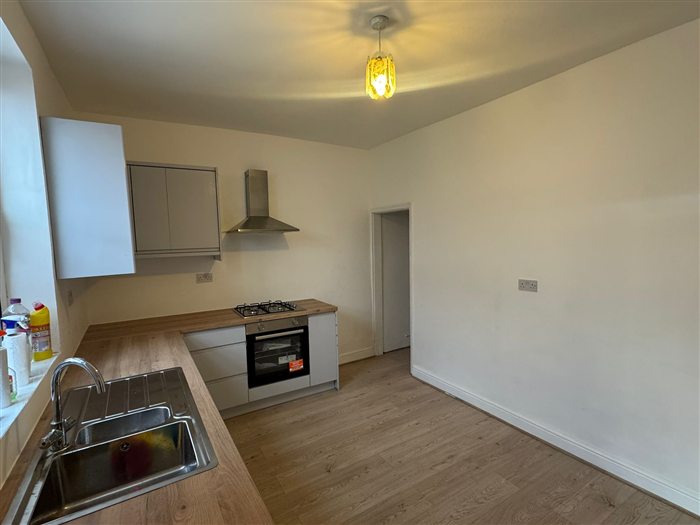
1. Plan, price and check approvals
Decide what each room needs and agree one price for the whole job before anything is ordered. Check whether any of it needs approval. Removing a load-bearing wall needs a structural engineer and building control. Some electrical work and changes to drains have to be notified or signed off. Work on a wall you share with a neighbour can need a party wall notice. Flats and listed buildings can need permission from the freeholder or the council.
2. Strip-out
Old kitchens, bathrooms, flooring, loose plaster and fittings come out first. This is when hidden problems show up, so it's better to find them now than halfway through.
3. Structural work
Walls removed or opened up, new doorways, lintels and beams, and any new windows or external doors. Everything after this depends on the structure being finished.
4. First fix
New pipes, cables and heating runs go in while the walls and floors are open, along with stud walls, door linings and boxing-in. Old lead water pipes are best replaced now. Think carefully about socket, switch and light positions at this stage, because moving them later means cutting into new plaster.
5. Plastering
Walls and ceilings are plastered, skimmed or boarded. Plastering is messy and wet, which is why it comes before anything that should stay clean. Fresh plaster then needs time to dry before it's painted.
6. Kitchen and bathroom
Units, worktops, the bathroom suite, showers, tiling and splashbacks go in. Hard floors in kitchens and bathrooms are often laid before or during this stage, depending on the floor and the units.
7. Second fix
Sockets, switches and lights fitted, taps, toilets and radiators connected, appliances plugged in. Then the joinery: doors hung, skirting and architrave fitted, panelling and fitted storage built.
8. Decorating
Filling, sanding and painting, starting with a mist coat on new plaster. Ceilings first, then walls, then woodwork.
9. Final floors and handover
Carpets and any floor that could be damaged by other trades go down last. Then a full clean and a walk-round, room by room, before the job is called finished.
Living in while you renovate? Plenty of people do. Plan the work so you keep a working bathroom and some kind of kitchen for as long as possible, and keep some money aside for what nobody can see until the walls are open. Many people set aside around 10 to 15 per cent of the budget for this.
Why one team makes this easier
When each trade is booked separately, every stage waits for the one before it, and you end up making the phone calls when something slips. Our team includes kitchen fitters, joiners, plasterers, tilers, plumbers and electricians, with Amir planning the order and keeping an eye on every stage, so the work follows on day after day.